Meta Ray-Ban Smart Glasses (Gen 2) Review — Still Early But Getting Useful
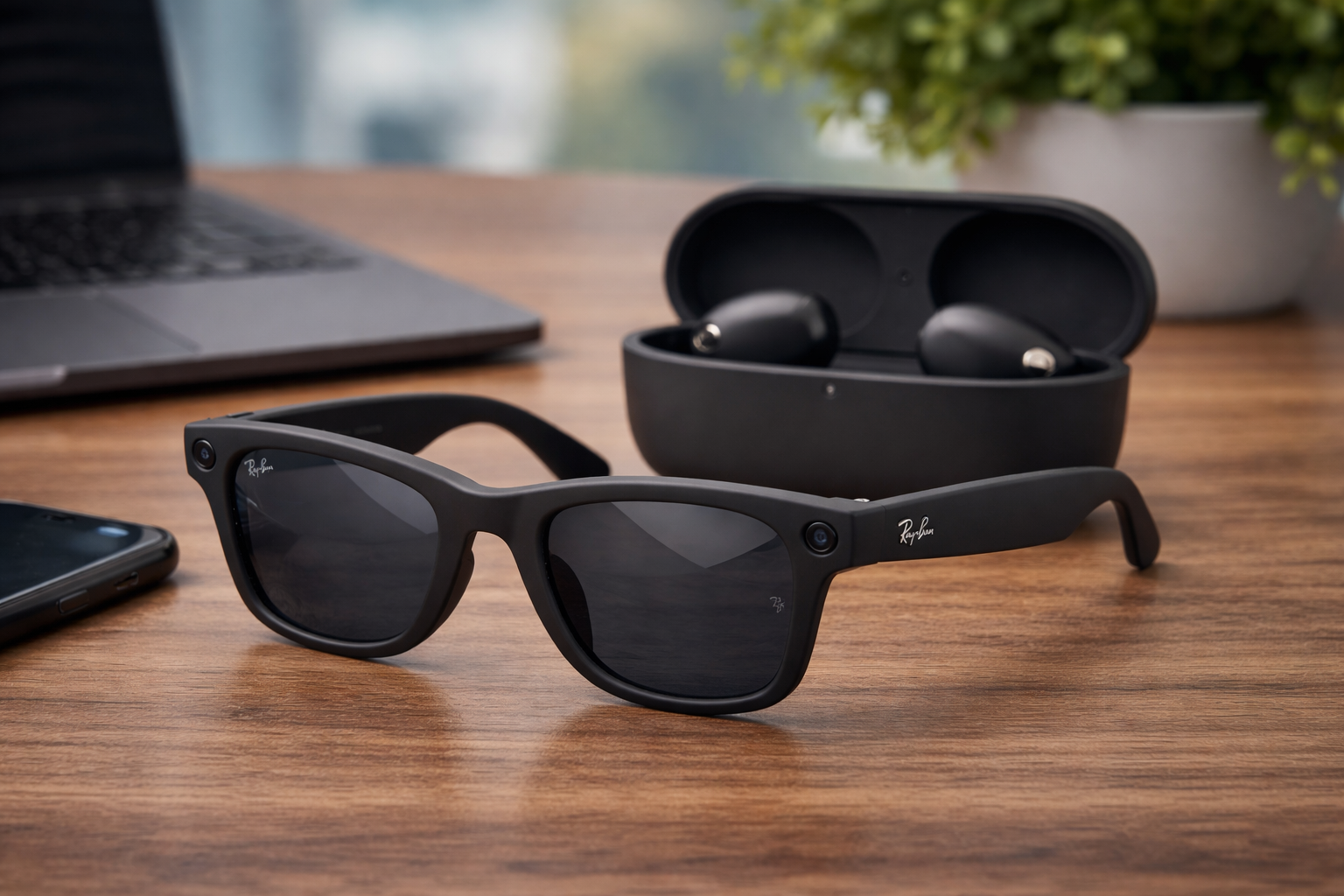
By Omer Khan — Meta’s push into wearable AI gadgets continues with its second-generation Ray-Ban Meta smart glasses — a device that blends classic eyewear with modern AI features and hands-free convenience. While these glasses are still not a full augmented-reality headset with displays, they represent one of the most polished attempts yet at making smart glasses something you’ll actually use in daily life.
Design & Comfort — Stylish Without Being Weird
Right out of the box, the Gen 2 Meta glasses look like what they should: stylish Ray-Ban frames with subtle tech tucked into them. They come in familiar Wayfarer and other iconic Ray-Ban styles, so they don’t scream “wearable tech” the way bulky AR headsets do, and most people won’t even realize they’re smart glasses unless you tell them. The design is solid, comfortable for long sessions, and not too heavy — though enthusiasts with smaller heads may notice the weight of extra hardware. Android Central
Features & Performance — Useful, But Not Magical

These glasses aren’t trying to replace your phone; instead they complement it. They pack:
Camera with 3K Ultra HD video and 12MP photos, offering better capture quality than many first-generation smart glasses. About Facebook
Open-ear audio for calls, music, and AI responses without blocking the world around you. Best Buy
Meta AI integration, letting you use voice commands to take photos, send messages, find information, or even translate conversations in real-time. About Facebook
Up to ~8 hours of battery life, which is roughly double what earlier versions offered — enough to get you through most of a typical day. About Facebook
On the software side, live translation and voice-driven interaction feel futuristic when they work, and the glasses sync smoothly with your smartphone for notifications, photos, and media. These features let you capture moments and handle small tasks without pulling your phone out of your pocket.
However, it’s important to set expectations: because there’s no heads-up display built into the lenses, much of what you do still ends up shown on your phone screen or handled via audio interaction. These aren’t AR glasses with floating menus and digital overlays — they’re intelligent eyewear that keep your hands free and your phone in your pocket.
Everyday Use — Mixed But Promising
In real life, the glasses deliver some genuinely cool moments — snapping photos and video hands-free, asking AI questions on the go, and enjoying tunes without earbuds. But they’re not without quirks. Battery life can vary depending on how much multimedia you use, and some reviewers find the camera quality and interaction lag a little inconsistent compared to a smartphone. Android Central
Performance on calls and audio content is generally solid, though the open-ear design means sound bleeds out at higher volumes, especially in noisy environments. Still, the convenience of having a built-in camera and assistants you can talk to without holding a device is undeniably liberating.
Who These Glasses Are For
These smart glasses won’t replace your phone, VR headset, or AR device — but that’s not their goal. They appeal most to:
Early adopters who love hands-free tech and AI interactions
Travelers who want quick hands-free photos and real-time translation
Urban explorers and lifestyle creators who value convenience and spontaneity
If your priority is pure AR visual overlays or immersive experiences, you’ll want to wait for next-generation products with true heads-up displays. But if you want a useful, stylish gadget that expands what glasses can do beyond blocking sun or correcting vision, Meta’s smart glasses are one of the best options available today.
Final Verdict
Meta’s Ray-Ban Meta (Gen 2) smart glasses are neither gimmicky nor fully realized — they sit in that sweet spot where wearable tech starts to feel genuinely helpful. They aren’t flawless, and their utility depends heavily on your daily habits and how much you lean on AI features. But with improved battery life, better imaging, and mature voice/AI integration, these glasses present one of the most compelling visions yet for what intelligent eyewear can be.
In short: they’re not the future of AR yet, but they’re one of the most practical smart glasses you can wear today.