Meta’s EMG Wristband Breaks Out of the AR Glasses Bubble at CES 2026
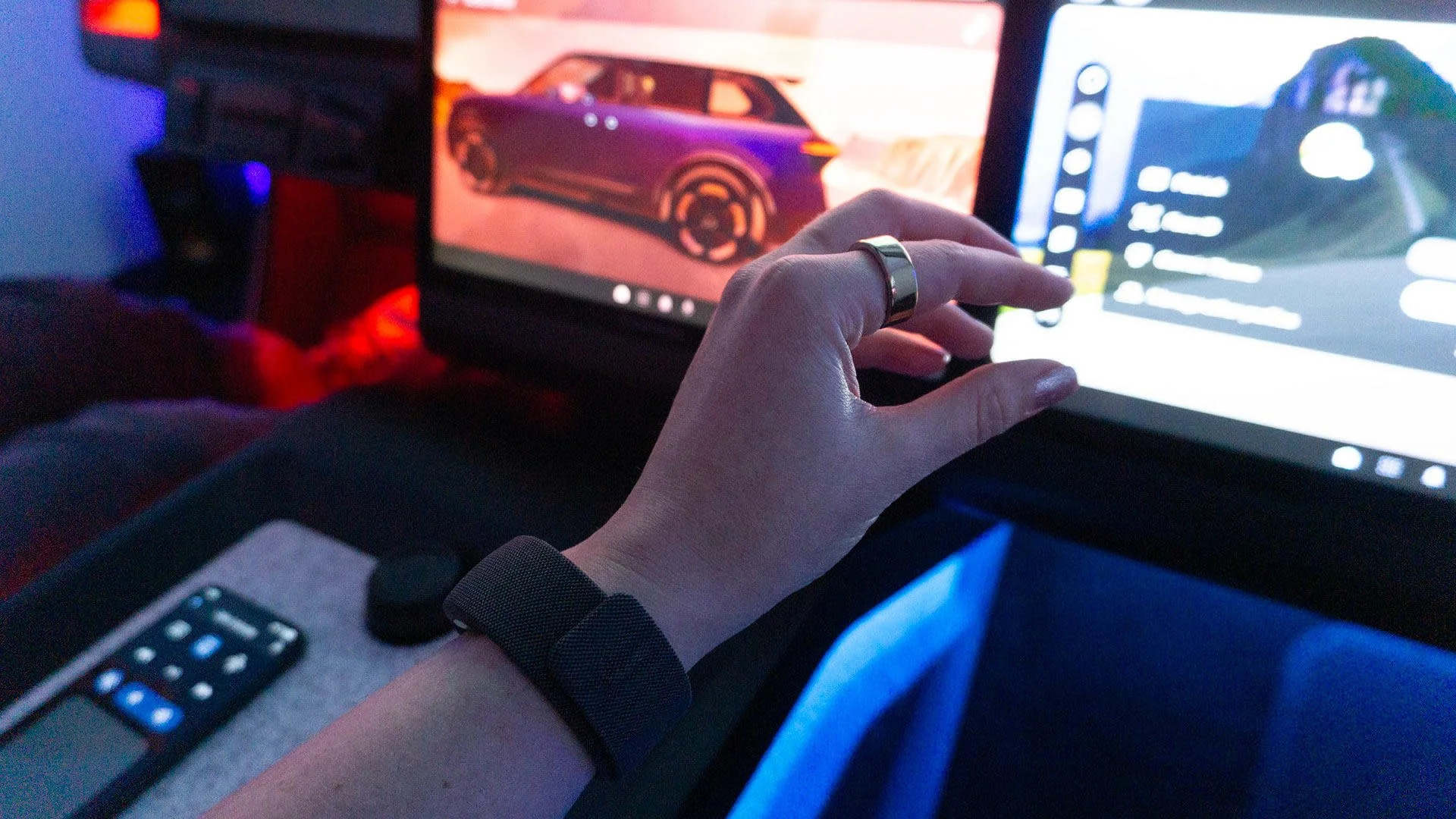
By Omer Khan — At CES 2026, Meta gave us a first glimpse of how it envisions the future of wearable interaction beyond just augmented-reality glasses. The company’s EMG wristband — originally developed as a companion for its Ray-Ban Display and other smart glasses — is now being positioned as a more versatile control interface for devices beyond AR eyewear. Engadget
Electromyography (EMG) technology works by sensing tiny electrical signals produced by muscle activity in your wrist and translating them into digital commands. Up until now, this approach mainly lived within Meta’s smart glasses ecosystem, letting users navigate menus, scroll screens, or interact with content without touching the glasses themselves. That’s still a big deal — imagine silent, screen-free control with simple hand and finger gestures — but Meta’s latest reveal suggests the tech could soon do much more. Meta
Beyond Glasses: EMG as a Universal Wearable Interface
At CES, Meta demonstrated early prototypes showing how the EMG wristband could be used to control devices outside of the augmented-reality context. Instead of being tied to smart spectacles, the band could act as a portable input devicefor smartphones, computers, smart home systems, and even vehicle infotainment controls. This is a significant leap for gesture-based wearables, moving them from niche accessories to potential mainstream tools. Morningstar
In one notable proof-of-concept, Meta teamed up with automotive tech partner Garmin to show how EMG signals might be used to control certain in-vehicle systems via hand motions — think adjusting volume, switching modes, or navigating menus without reaching for a touchscreen. That hints at a future where your wrist becomes a universal remote of sorts, seamlessly interacting with your environment. Morningstar
Why It Matters
Gesture control has long been a dream for wearable and augmented interfaces — but translating subtle, intentional muscle signals into reliable digital commands is notoriously tricky. Meta’s approach, trained on data from hundreds of thousands of users and powered by on-device machine learning, may finally bring that dream closer to reality. If this tech escapes the confines of smart glasses and into broader device ecosystems, it could redefine how we interact with our gadgets — without screens, touchpads, or traditional controllers. Meta
Despite these promising demos, widespread consumer use is still on the horizon. But CES 2026 made one thing clear: Meta isn’t content to let EMG live only in eyewear accessories. This wristband could be the first step toward an entirely new wave of wearable control — one that feels intuitive, hands-free, and effortless.